Siding is one of the most critical choices when it comes to the exterior of the home. This is because the type of siding you choose not only protects your house from the elements but also determines its appearance, energy efficiency, and long-term care needs. Since there are dozens of kinds to choose from, it’s crucial to comprehend the advantages and disadvantages of each type to make the best decision for your home and budget.
The following are the most common kinds of home siding and what sets them unique:
1. Vinyl siding
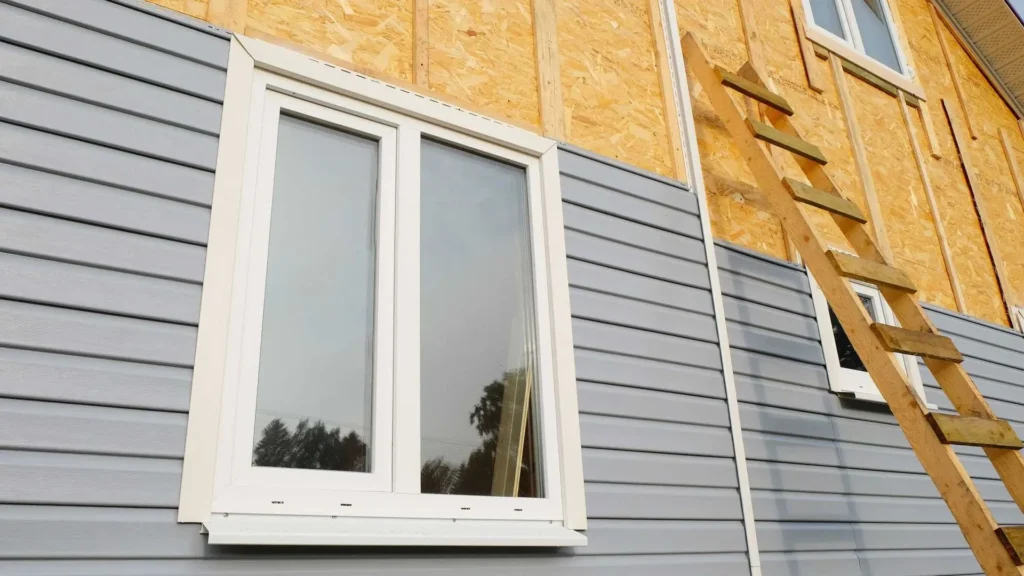
Vinyl siding is a common and inexpensive choice that has become one of the most popular options for homeowners across the country. Made from durable PVC plastic, it offers excellent protection against moisture, pests, and fading while maintaining its appearance for years.
Pros:
- Requires little upkeep and does not need to be painted
- Inexpensive and readily accessible
- Resistant to pests, rust, and water
- Can be easily cleaned with a hose or soft detergent
Cons:
- In extreme weather conditions, it might crack or fade
- Not the most environmentally friendly choice
- May have a more artificial quality than wood or fiber cement
2. Fiber cement siding
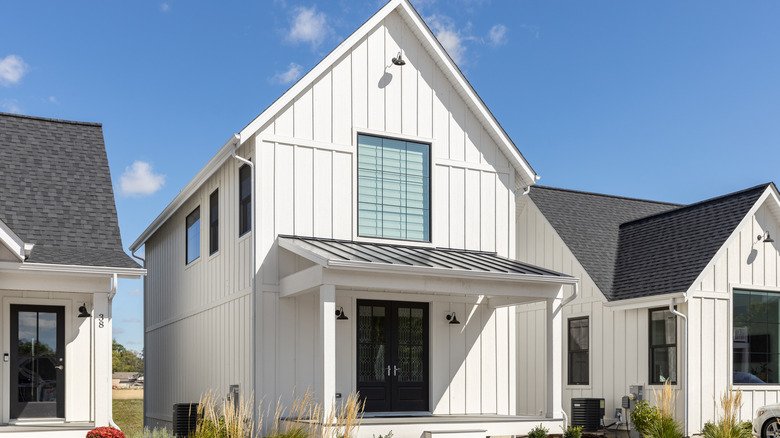
Fiber cement is a combination of cement, sand, and cellulose fibers that creates a durable and long-lasting material perfect for exterior siding. Though it can resemble wood, stone, or stucco, it is considerably more robust and resistant to the common issues that affect natural materials. Homeowners appreciate fiber cement for its ability to withstand harsh weather conditions, including heavy rain, strong winds, and extreme temperatures.
Pros:
- Very long-lasting and wear-resistant
- Fire- and pest-resistant
- Can simulate real wood or stone
- Minimal upkeep once painted
Cons:
- Harder to set up and heavier
- More expensive than vinyl
- Requires repainting every 10–15 years
3. Wood Siding
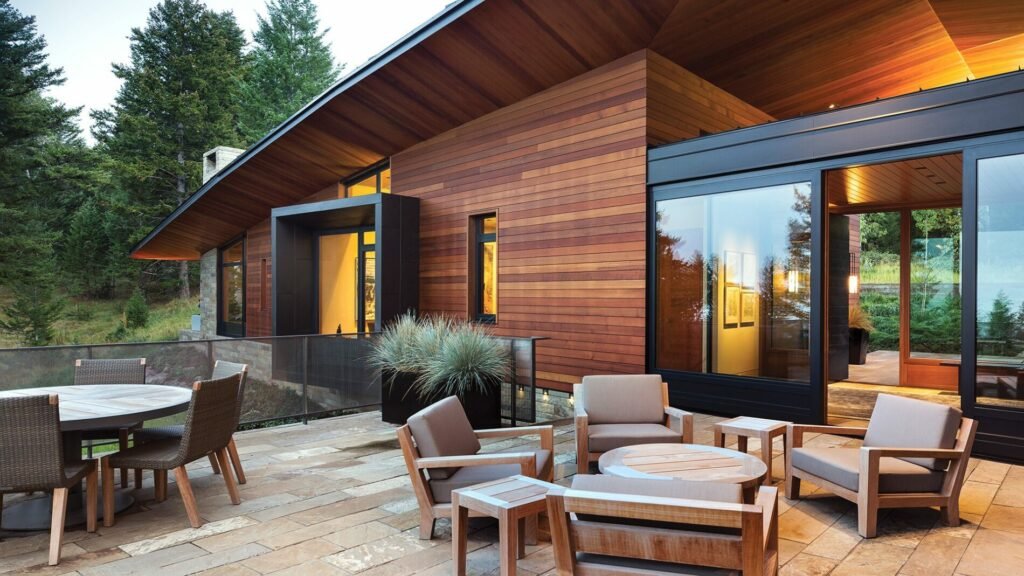
Wood siding offers a timeless look and feel that brings warmth, charm, and natural beauty to any home. Common types include cedar, redwood, and pine each known for its rich texture, grain patterns, and durability when properly maintained. Wood siding can be installed in various styles such as shingles, clapboards, or board-and-batten, giving homeowners flexibility to match their architectural taste.
Pros:
- Attractive, timeless option
- Environmentally friendly if purchased from a responsible source
- Paint or stain can be customized
Cons:
- Needs sealing and regular maintenance
- More susceptible to fire, insects, and rot
- More expensive in the long run due to maintenance requirements
4. Metal siding
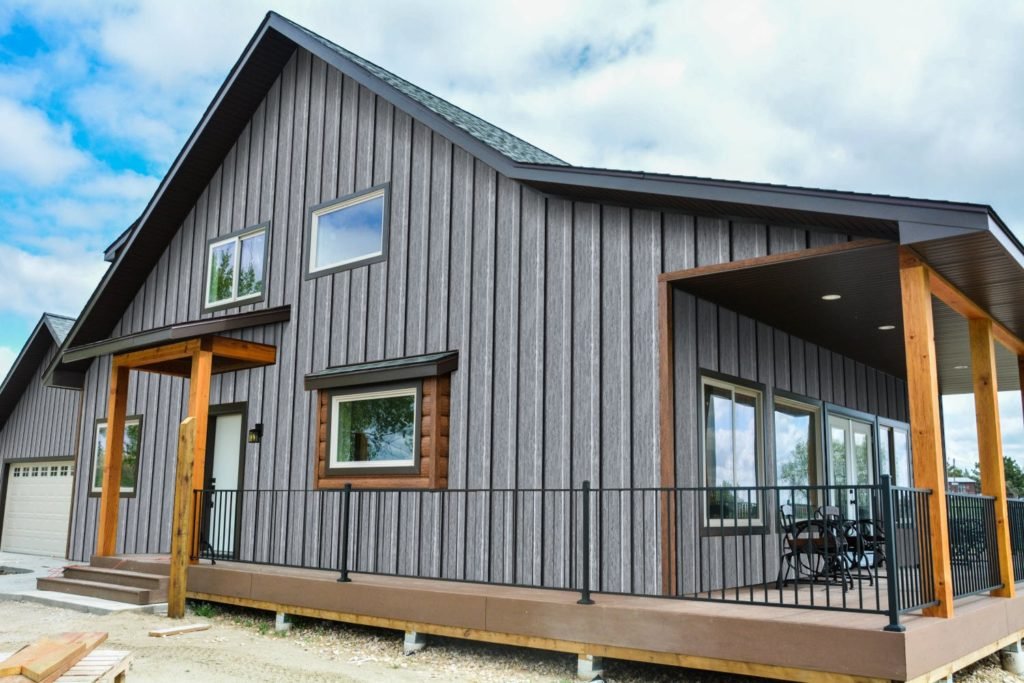
Metal Siding is also a futuristic, sleek alternative that is highly durable and adaptable. While this type of material is most usually associated with industrial or commercial design, it has become a common feature of contemporary homes as a show of minimalism.
Pros:
- Lasts for a long while and involves little energy
- Fire, pest, and rot-resistant
- Due to the ability to reflect sunlight, doesn’t fade, and provides great insulation
Cons:
- Is prone to dents and scratches
- Rust in the absence of a protective coat
- Very few colors compared to vinyl
5. Brick siding
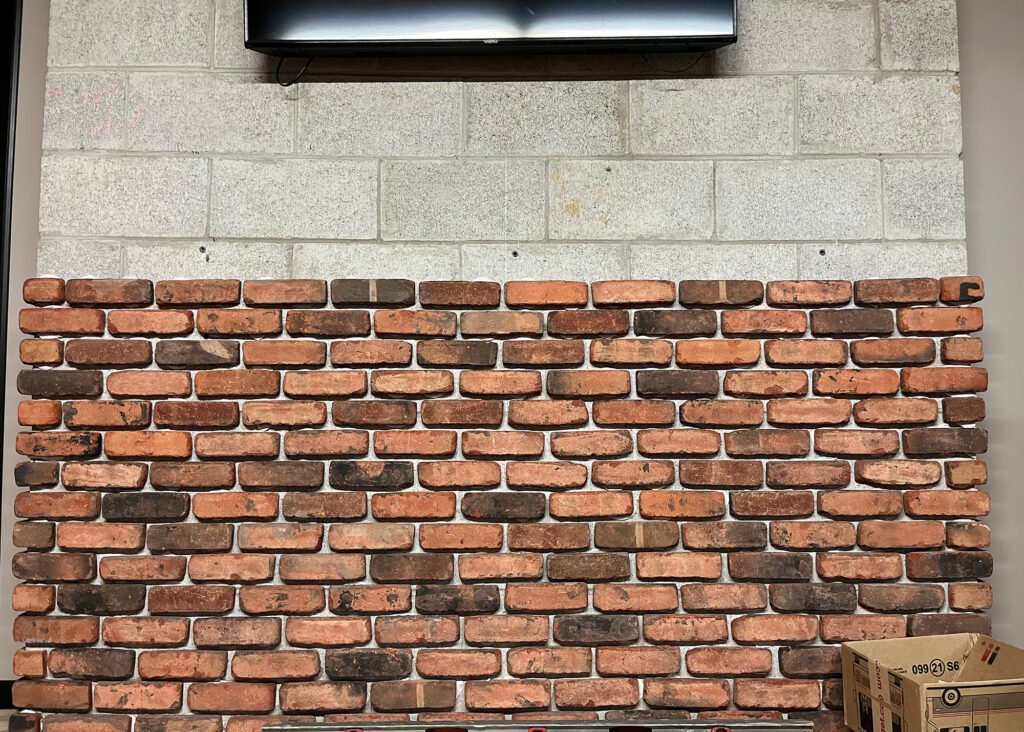
Such type of siding material is usually preferred by those who value classics and aged noble style. It makes a home look massive and elegant, often borrowed from old castles and sandstone buildings. The bricks are extremely lasting, resisting any weather conditions, fire and pests. Thus, you won’t need any money for its maintenance.
Pros:
- May last a lifetime
- Is weather and fireproof
- Doesn’t suffer from pests
- No need to repaint or reapply coat
Cons:
- Expensive to install
- Walls that are not strong will require sustaining
- Few colors and no styles but ancient ones
6. Stone veneer siding
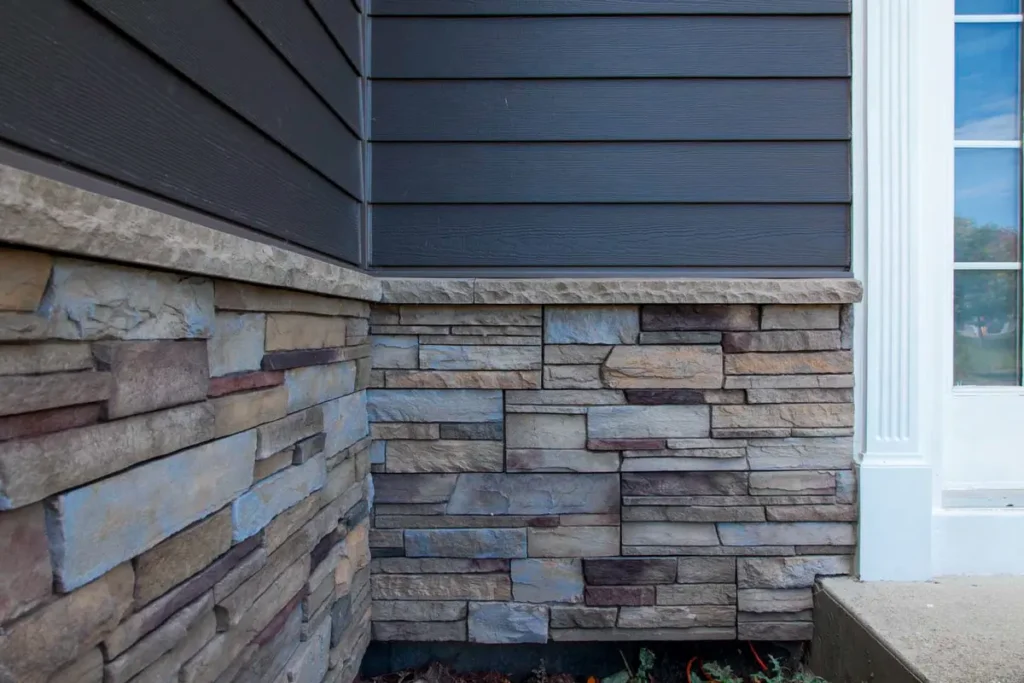
Stone veneer siding allows homeowners to have the style of a castle without the necessity of reinforcing their structure due to the weight. It looks very elegant and can easily complement any painted house.
Pros:
- Less weight and less cost than real stone
- Resistant to impact and bad weather
Cons:
- Still very expensive
- Manufacturers guarantee no color match due to faceting
7. Stucco siding
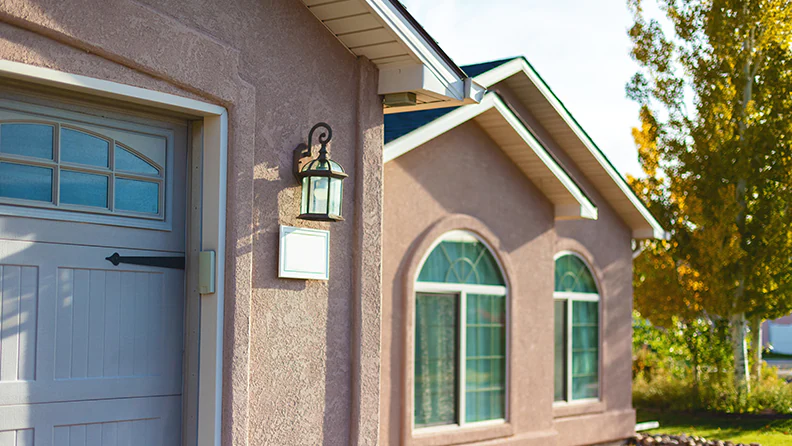
One of the most unique and uncommon types of siding is stucco. This siding is a textured and handcrafted one. Stucco is made of cement-based material spread on a house’s exterior in several coatings. Therefore, stucco siding allows homeowners to create original decorative reliefs and artistic outcomes. Such siding has a homogeneous structure visually, and it can be stained in many colors to fit any house color.
Pros:
- Very sturdy and insulating
- Fire-resistant
- Maintains for years
Cons:
- Should not be used in very much rainy places due to cracks
- Challenging repairs
- Suboptimal in disagreement shifting foundation
8. Engineered wood siding
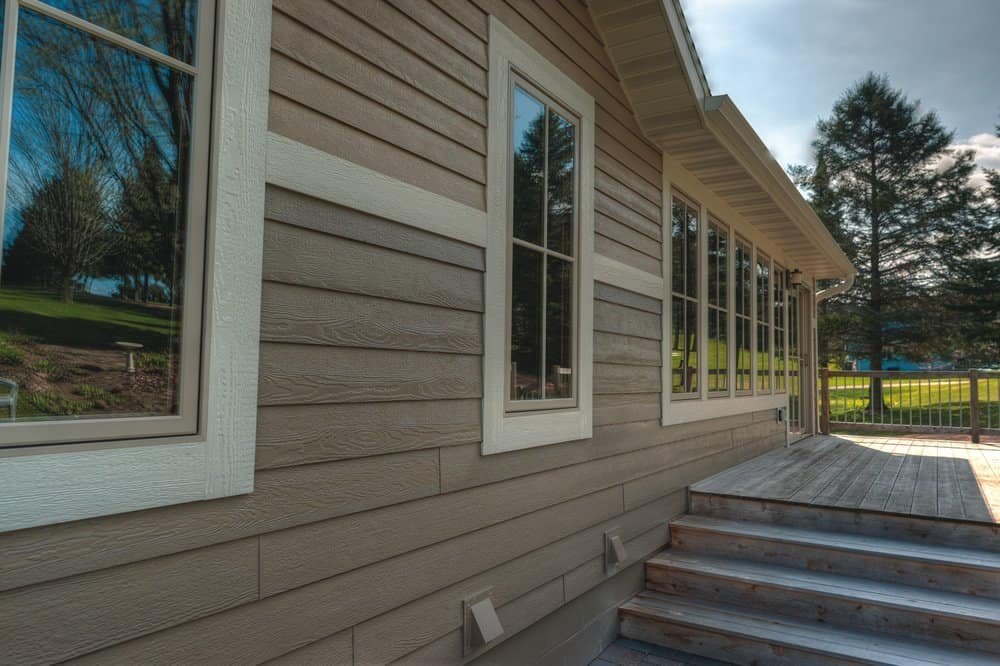
Engineered wood siding is a fascinating choice for persons who like the look of natural wood but can’t afford it or don’t want to bother with the care of real wood. This is a mix of such whose fibers, pressing resin, and weatherproof catalyst.
Pros:
- Looks like real wood and is much cheaper
- Lighter and easier to install
- Being factory primed or painted
Cons:
- Reacts to water with swelling
- Needs repainting
9. Composite siding
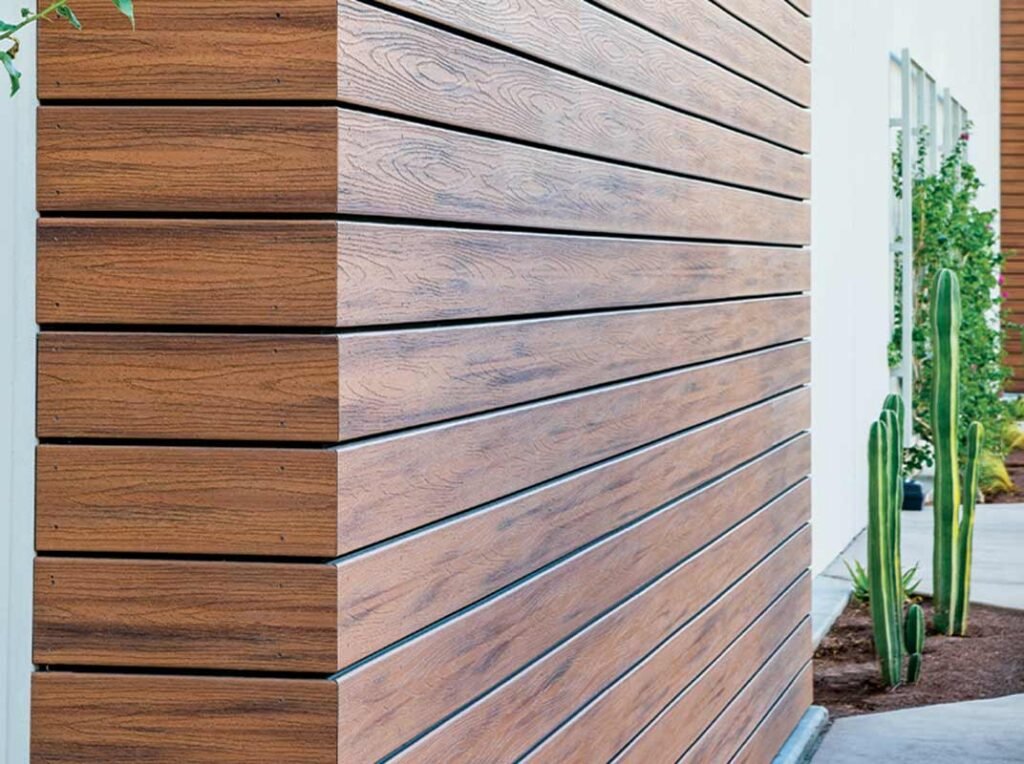
Composite siding is a very ergonomic and easy-to-maintain choice that perfectly suits modern homes. It’s made by combining different materials: such as wood fibers, resins, and polymers, resulting in a strong, versatile, and visually appealing product. Due to its mixed composition, composite siding offers a wide range of colors, textures, and finishes, allowing homeowners to achieve nearly any design style, from classic to contemporary.
Pros:
- Resistant to rot, insects, and moisture
- Available in many colors and finishes
- Inexpensive maintenance
Cons:
- Mid- to high-range cost
- May fade with long sun exposure
- The quality varies by the brand
10. Insulated vinyl siding
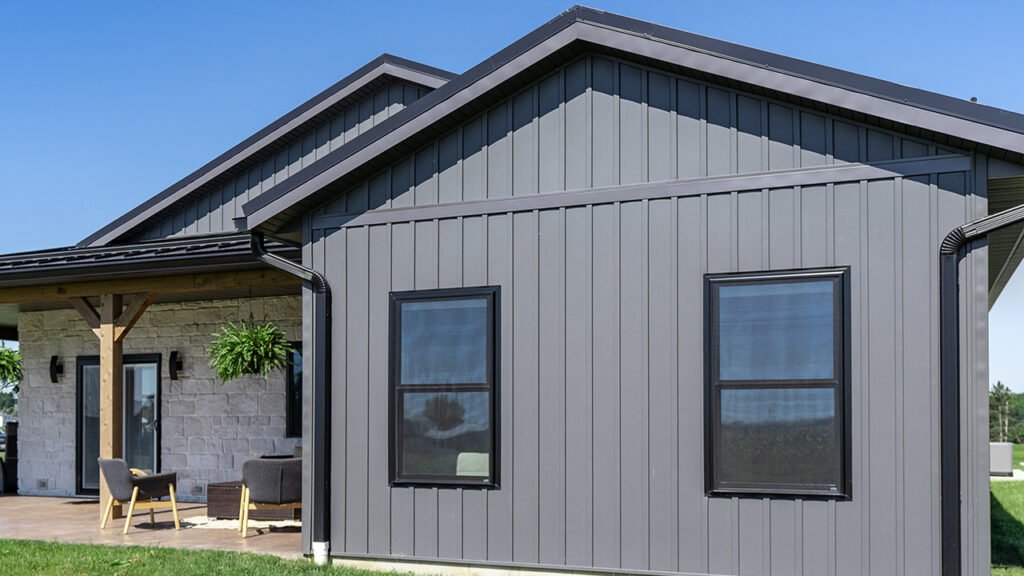
Insulated vinyl siding is another siding installation approach to consider. Due to the covered tough froth on the back, this kind does not just make your home more energy-effective but also provides an additional layer of resistance and convenience. Added protection increases your home’s heat in the winter and reduces it in the summer, decreasing energy bills. Toughness and comfort/insulation make insulated vinyl siding the correct choice for anybody requiring a long-term siding solution.
Pros:
- Decreases energy loss and noise
- More rigid than regular vinyl
- Inexpensive maintenance
Cons:
- Higher than standard vinyl cost
- Difficult to repair if damaged
- May trap moisture if improperly installed
Siding selection
When choosing the siding, consider:
Climate:
Some materials are better for dry and other for humid areas. Vinyl and engineered wood are suitable for the first; brick and stone are expensive but durable options for the second.
Budget:
If vinyl or engineered wood are suitable for you based on the first criterion, use them.
Maintenance:
Fiberglass, vinyl, and metal are the best low-maintenance options.
Aesthetic:
Wood and stone have natural charm, but metal and fiberglass can work better for a modern house.
The final decision
The overall best siding is whatever balances these criteria for you. All the options presented above can be modified to suit your style and are compatible with most residential construction.
Therefore, the final decision should be made in consultation with your local contractor based on the offers, warranty, and product samples available for presentation. Indeed, the right siding can boost your house’s appeal, decrease maintenance cost, and help you enjoy your property for many years to come.